Car Key Fob Programming: What the Process Actually Involves
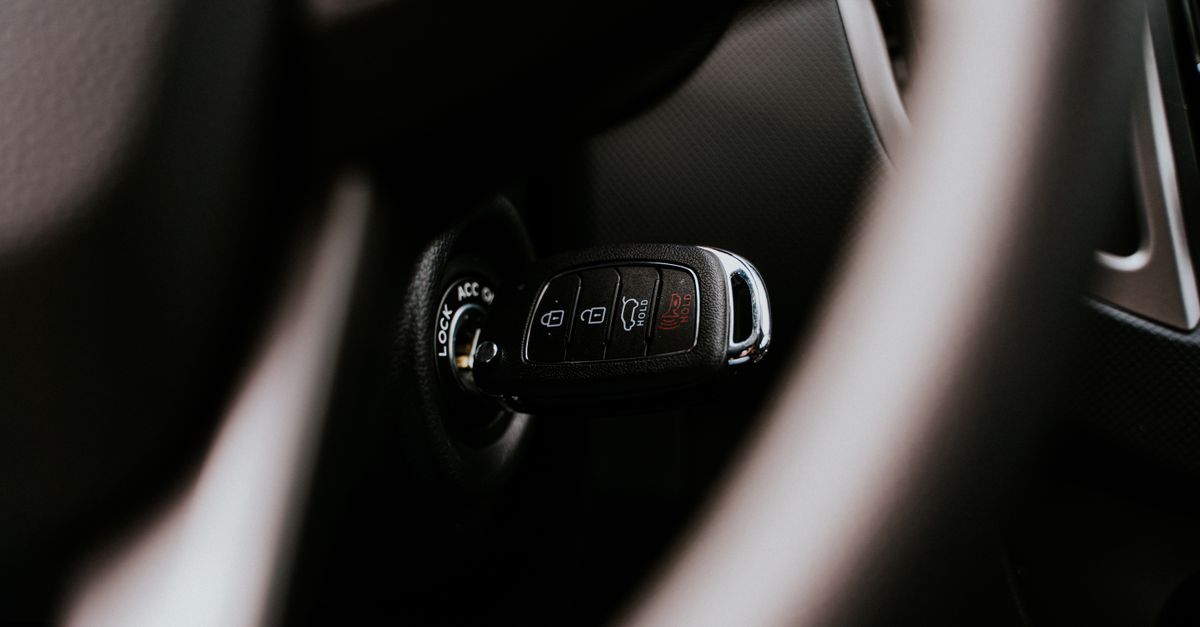
A key fob is not simply a plastic shell with buttons — it contains a rolling-code radio transmitter, and in most vehicles manufactured after 2010, it is paired with an embedded transponder chip that communicates with the car's immobilizer system. When you press the lock or unlock button, the fob broadcasts a unique encrypted code that the car's body control module must recognize before it will respond. Programming a replacement or additional fob means writing that vehicle-specific code into the remote and, simultaneously, registering the transponder's ID with the immobilizer. If only one step is completed, the remote will not function correctly. Our technicians carry professional-grade key programmers capable of interfacing with virtually every major vehicle make and model on U.S. roads today, handling both the radio-frequency pairing and the transponder sync in a single roadside visit.
There are also vehicles — particularly newer models from European brands — that require a secure online connection to the manufacturer's server during programming. Our mobile units are equipped with the connectivity and software subscriptions needed for those protocols. We verify the vehicle identification number, confirm your ownership documentation, and then proceed with a damage-free programming procedure that never requires forced entry or bypassing the car's security architecture. Once complete, we test every button on the new fob — lock, unlock, trunk release, panic, and remote start where applicable — before we close out the job.