What Is a Mortise Lock — and Why NYC Doors Depend on Them
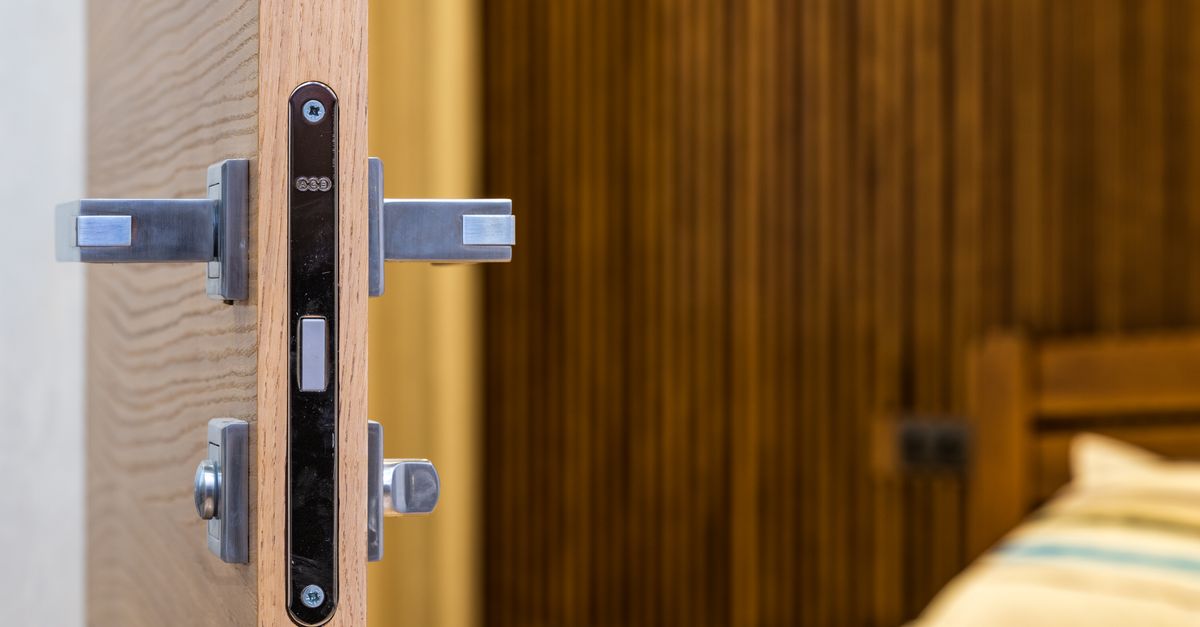
A mortise lock is a lockset whose mechanism lives inside a rectangular steel or brass case that is set into a cavity (the mortise) machined into the door's edge. The case houses a deadbolt, a spring latch, and often a separate privacy knob or lever — all operated by a single integrated body. This design is structurally far more robust than a bored cylindrical lock because the steel case is surrounded by solid door material on three sides, making it significantly harder to kick in or pry. That's a meaningful advantage in a city where millions of people live in high-density buildings with shared entry points. NYC's pre-war building stock — estimated at well over 300,000 residential units — was constructed almost exclusively with mortise hardware, and the design remains the landlord-preferred and building-code-compatible standard for apartment entry doors today.
Tenants and owners encounter several common hardware families: legacy American-made bodies found in buildings dating from the 1920s through the 1960s, Corbin Russwin mortise lock bodies that appear frequently in institutional and larger residential buildings, Baldwin mortise lock sets known for their solid brass finish hardware, and contemporary options that include smart mortise lock units with keypads or Bluetooth credentials. Each family has different keyways, cylinder formats, and replacement parts availability — which is exactly why getting the right technician matters.