Car Key Replacement by Make and Model: What Actually Goes Into the Job
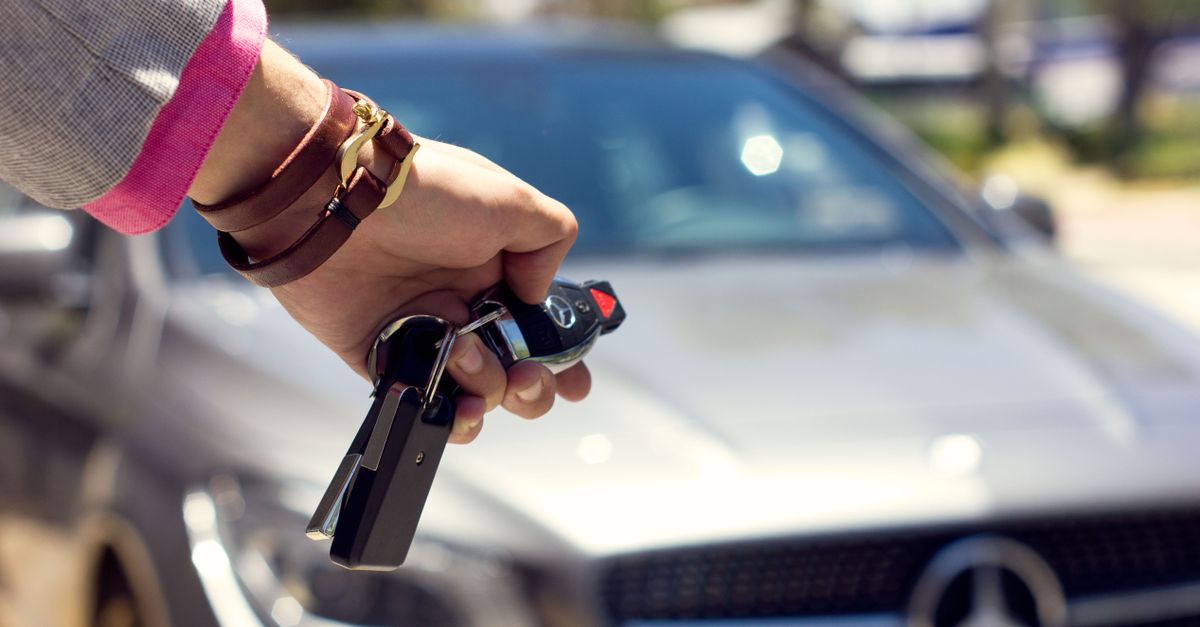
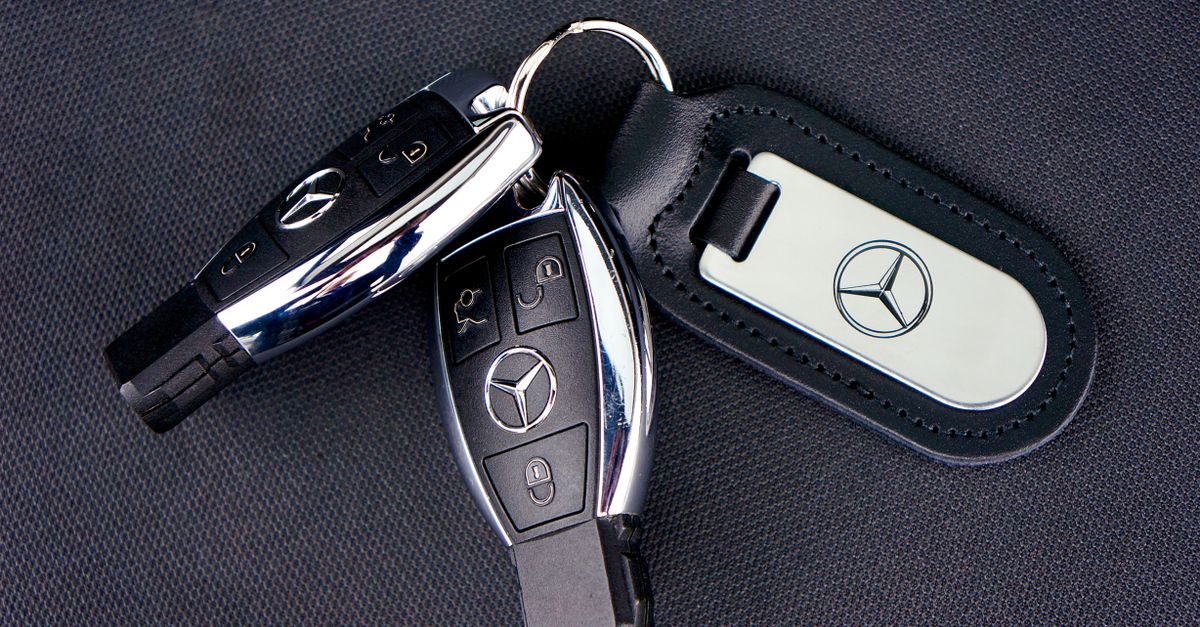
Not all replacement car keys are created equal, and the brand of vehicle you drive is one of the most significant factors in what the job involves. For Japanese makes like Honda, Toyota, and Subaru, our technicians cut a new key blade and program the embedded transponder chip to sync with the vehicle's ECU — a process that requires direct OBD-II port communication and manufacturer-specific software. For domestic vehicles like Chevrolet, Ford, and Dodge, key fobs often combine remote entry and transponder functions in a single unit; losing the only programmed fob means we must perform an all-keys-lost procedure, which takes a bit longer but is fully achievable roadside. European brands — BMW, Mercedes-Benz, Audi, and Volkswagen in particular — use encrypted key systems with higher security protocols, meaning the programming sequence is more involved and the key blank itself is brand-specific. In every case, our team carries a broad inventory of compatible blanks and uses non-destructive methods wherever possible to protect your vehicle.
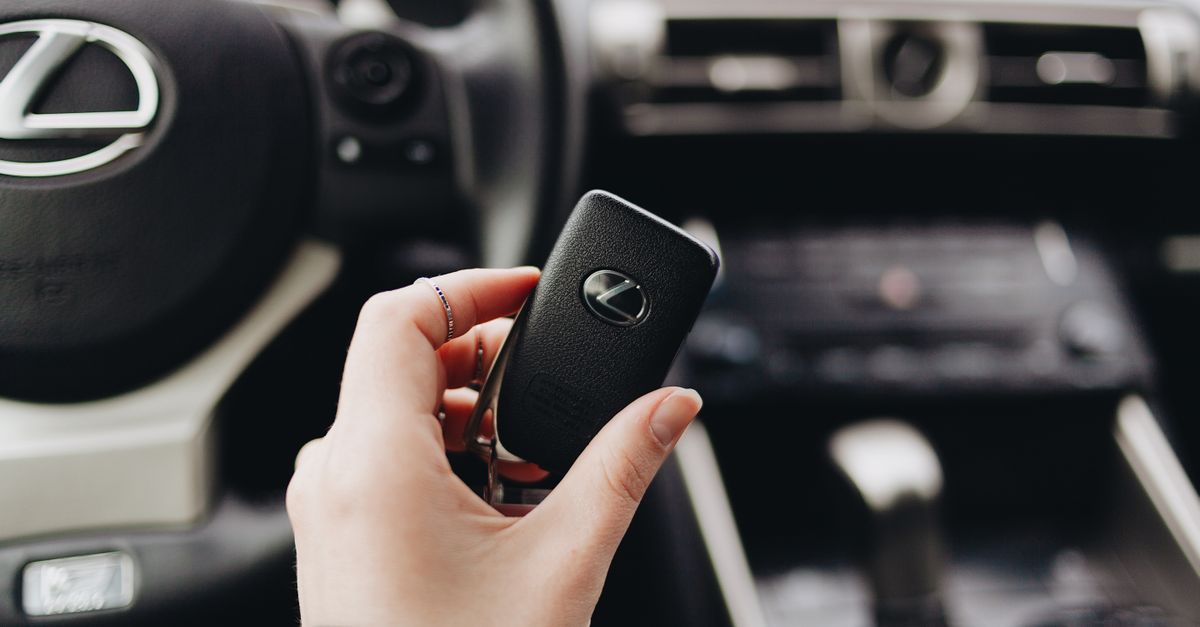
Luxury and high-security vehicles like those from Lexus, Infiniti, and Land Rover use proximity smart keys (sometimes called 'comfort access' keys) that communicate with the car constantly, not just when a button is pressed. Programming these requires reading the vehicle's existing key data, generating a new cryptographic token, and writing it to the new fob — a process our technicians perform right there in your driveway, parking lot, or on the street. Kia and Hyundai models from recent years use a blade-plus-fob combo that requires both mechanical cutting and chip programming. Whatever you drive, we document ownership verification before starting any work — a non-negotiable step that protects you and every vehicle owner in the community.