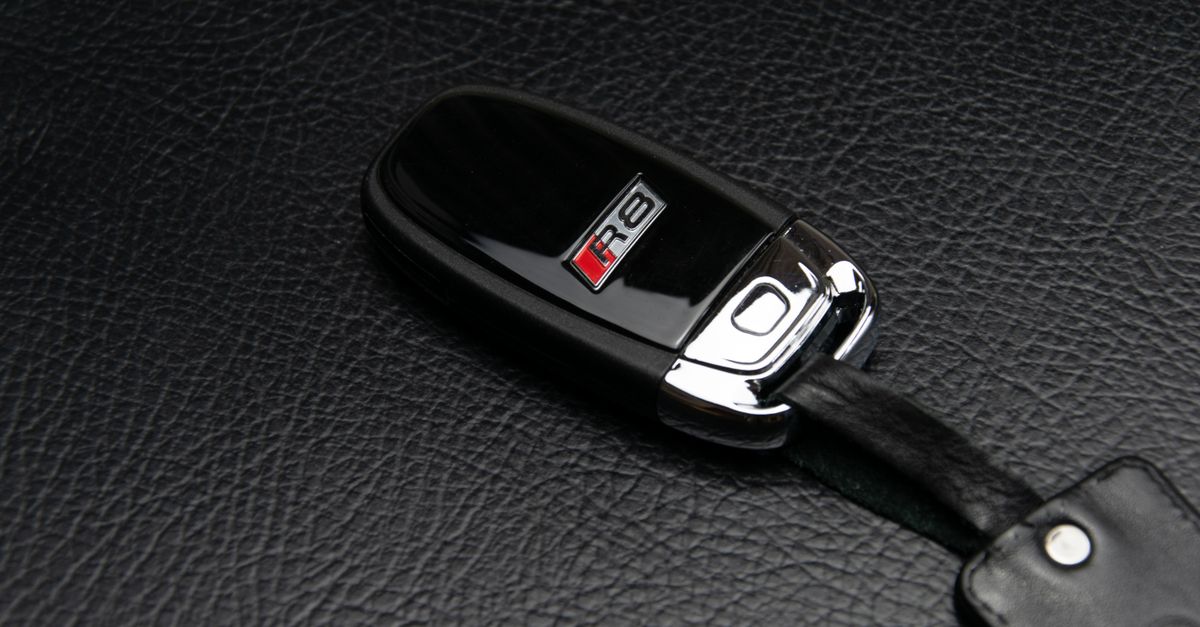
Audi Key Technology: Why Replacement Is More Complex Than You Think
Audi has steadily advanced its key and security systems across model generations, and that sophistication is exactly what makes owner-attempted replacements or visits to a general hardware store impossible. Current Audi models rely on three primary key types: transponder keys (which carry an embedded microchip that must be programmed to match your vehicle's ECU), remote key fobs (which combine transponder function with remote lock/unlock and sometimes trunk-release capabilities), and Audi Advanced Key smart keys (which enable keyless entry and push-button start by communicating continuously with the car via radio frequency). Each type requires specific cutting equipment and — critically — manufacturer-level programming tools to pair with the immobilizer. An unprogrammed replacement will physically turn in the ignition but the engine will not start, because the immobilizer reads no valid chip signal.
Older Audi models from the late 1990s and early 2000s use simpler transponder technology that is more straightforward to clone or replace, while newer models — particularly those running the MIB3 infotainment platform and advanced anti-theft systems — require dealer-grade OBD-II programming sequences. Purple Locksmith NYC technicians are trained on the full spectrum of Audi key generations and carry professional-grade auto programming equipment, allowing us to complete most replacements on-site in a single visit. That means no flatbed tow to the dealership, no multi-day wait for a part to ship, and no appointment scheduled two weeks out.