Why Keys Snap — and Why Your Mortise Lock Makes It Worse
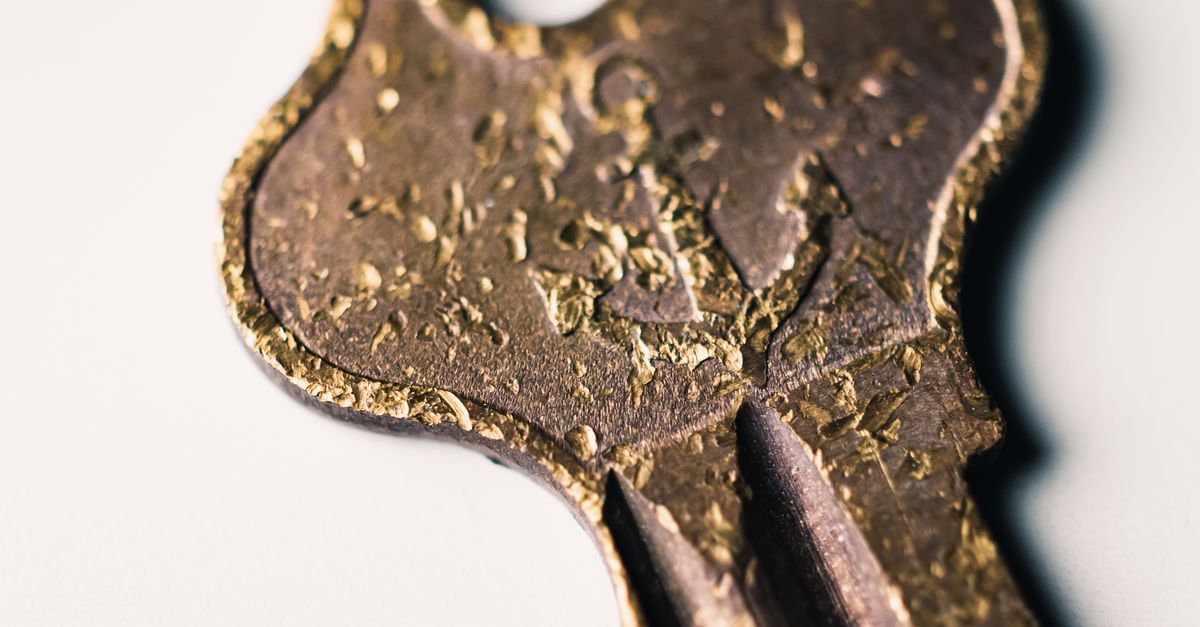
New York's housing stock is old, and nowhere is that more apparent than in the door hardware. Pre-war buildings throughout the West Village, Harlem, and Astoria are still running original mortise lock sets — deep, multi-component assemblies recessed into the door edge that operate both a latch and a deadbolt through a single keyway. Mortise lock cylinders are precision instruments, but decades of use, infrequent lubrication, and the cumulative expansion and contraction of wooden door frames through humid summers and frigid winters put enormous lateral stress on a key every time it turns. A key that has been duplicated a generation removed from the original blank, or one that has developed a hairline crack, will eventually snap under that stress — and because the mortise lock cylinder sits deep inside the door body, the broken fragment tends to travel further into the keyway than it would in a surface-mounted deadbolt.
Beyond mortise locks, we see broken keys in Schlage and Kwikset deadbolts, commercial-grade cylindrical locks on retail storefronts along Broadway and Atlantic Avenue, vehicle door locks and ignition cylinders, padlocks on storage units and gates, and door knob locks in residential and hotel settings. In each case, the internal geometry is different, the clearance around the fragment is different, and the correct extraction technique changes accordingly. That's why professional diagnosis — not a YouTube tutorial and a pair of tweezers — is the right first call.