Purple Locksmith NYC Service Team
Local locksmith team
Apr 20, 2026 12 min read
You just handed over first month's rent, last month's rent, and a security deposit that could fund a small expedition — and now you're standing in your new NYC apartment holding a set of keys you've never fully trusted. Who had a copy before you? The previous tenant, their dog walker, their ex, the super's cousin? In a city where building turnover is constant and key duplication is a five-minute errand at any hardware shop, moving in without rekeying your locks is a gamble most New Yorkers don't even realize they're taking.
Rekeying is one of the smartest, lowest-friction security moves you can make on day one — and it's far simpler than most people expect. Whether you're in a pre-war walkup in Astoria, a doorman building on the Upper West Side, or a converted loft in Bushwick, this guide covers why rekeying matters, what your building's rules allow, how the process actually works, and what goes into the cost of same-day service from a professional locksmith NYC residents call around the clock.
## Why Rekeying After a Move-In Isn't Paranoia — It's Just Smart
New York City apartments change hands constantly. According to the NYC Rent Guidelines Board, hundreds of thousands of rent-stabilized units alone turn over each year — and that's before you count market-rate apartments, co-ops, and condos. Every time a unit turns over, keys can linger in circulation for months. Former tenants return extras late or forget about the spare tucked in a gym bag. Building staff sometimes hold passkeys for emergency access that never get formally audited. Even a landlord with the best intentions can't guarantee that every copy of your predecessor's key has been accounted for.
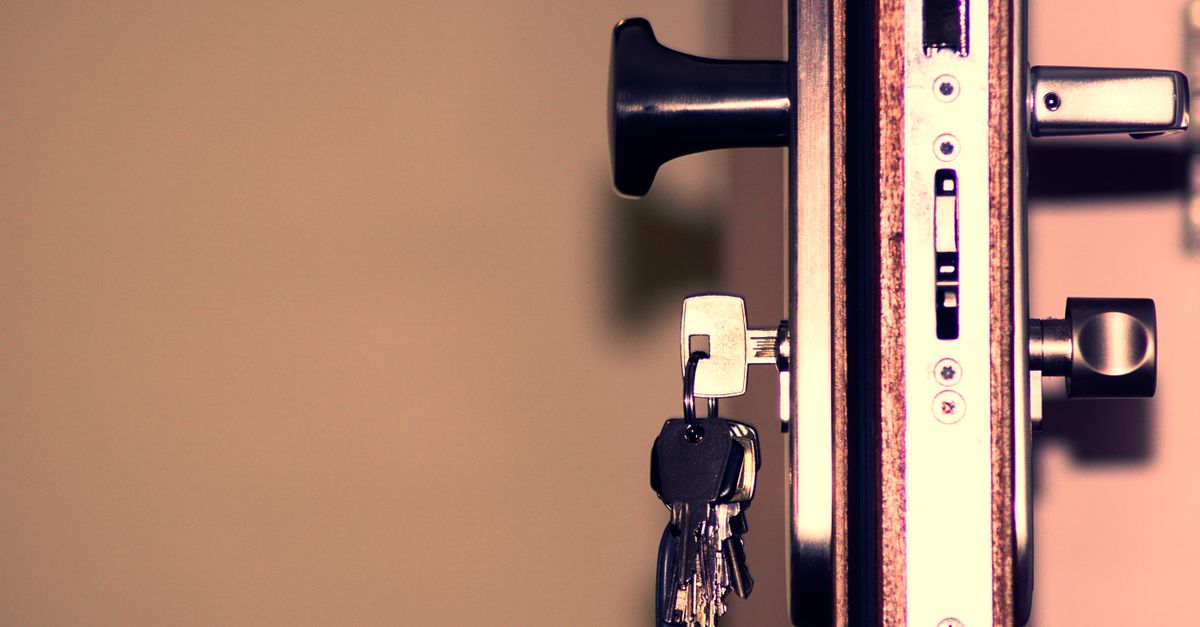
Rekeying solves this problem cleanly. A trained locksmith disassembles your existing lock cylinder — most commonly a mortise lock in older NYC buildings or a cylindrical knob lock in newer construction — and replaces the internal pin tumblers with a new configuration that matches only your new key. Every old key, no matter who has it, becomes useless overnight. You don't need to replace the entire hardware set, which keeps costs and disruption low. The mortise lock itself, that heavy-duty rectangular mechanism built into the door edge that's been a NYC staple since the early 1900s, stays right where it is. Only the combination inside changes.
## How Do You Rekey a Lock? The Actual Process, Explained
One of the most common questions new tenants ask is simply: how do you rekey a door lock, and can I do it myself? Here's the honest answer. Rekeying requires a cylinder follower tool, a plug follower, replacement pin kits sized to your specific lock brand, and the know-how to disassemble and reassemble the cylinder without losing the tiny springs that make the whole thing work. On a standard Kwikset or Schlage knob lock, a skilled locksmith can complete the job in under 15 minutes. On a multi-point mortise lock — the kind with a long faceplate, a lever handle, and deadbolt all integrated into one body — the process takes longer and requires specific cylinder tools matched to the lock's manufacturer.
The short version of how it works: the locksmith inserts the current working key, turns the plug to a specific position, removes the cylinder plug from the housing, extracts the existing driver pins and springs, inserts new key pins sized to match a newly cut key, and reassembles everything. The lock itself is not damaged and functions identically to before — it simply responds to a different key profile. This is why rekeying is always preferred over a full lock replacement unless the hardware itself is damaged, outdated, or you're upgrading security at the same time. If you'd like a professional to handle it the same day you move in, call 929-531-6918 — our team is available 24/7 and can come directly to your building.
## Mortise Locks, Co-Op Rules, and What NYC Buildings Actually Allow
Here's where NYC gets specific. If you're renting in a standard rental building, your right to rekey is generally protected under New York City's tenant rights framework — landlords cannot legally prevent you from changing or adding locks, provided you supply them with a copy of the new key. If you're in a co-op, the rules can vary by building. Some co-op boards require that any lock work be performed by a locksmith they've pre-approved, or that changes to entry-door hardware be submitted for board review, especially in buildings where a master-key system is in use for emergency access. Always check your proprietary lease or house rules before scheduling service.
The type of lock in your door also determines what's possible. Older NYC buildings — think pre-war stock on the Upper East Side or in Crown Heights — are heavily populated with mortise locks. These are the workhorses of New York door security: heavy, durable, and built into the door edge itself rather than drilled through the face. A commercial locksmith experienced with mortise lock service is essential here, because these cylinders are not interchangeable with the pin kits sold for residential knob locks. Some mortise cylinders use Medeco, Mul-T-Lock, or other high-security formats that require brand-specific tooling and key blanks. A general handyman is not the right call for this job. Our team works on mortise lock hardware daily across all five boroughs and can confirm compatibility before any work begins.
## Can You Rekey Any Lock? Smart Locks, High-Security Cylinders, and Matching Your Keys
Can you rekey a lock to match existing key profiles you already own — say, if you want your apartment door and your mailbox to use the same key? In many cases, yes. This is called 'keying alike,' and it's a routine service a skilled locksmith can perform when the locks involved use the same keyway family. It's a particularly useful option if you're managing multiple units or want to reduce the number of keys on your ring. Keep in mind that keying alike between two different lock brands is only possible if they share a compatible keyway — your locksmith can confirm this on-site.
Can you rekey a smart lock? This depends heavily on the device. Some smart locks — particularly those with a traditional key cylinder as a backup (a common feature on many Schlage Connect or similar models) — can absolutely have their cylinder rekeyed just like any other lock. Others are entirely electronic with no physical key cylinder at all, in which case 'rekeying' means resetting access codes and deleting old user credentials rather than changing pin tumblers. And if you're wondering whether you can rekey a smart lock without the original key: for cylinder-based smart locks, the process typically requires either the current working key or the ability to pick the cylinder to the shear line first — which is a job for a qualified locksmith, not a DIY project. Our team handles both traditional and smart lock rekeying and can advise on the best approach for your specific hardware during the same visit.
## How Much Does a NYC Locksmith Cost for Same-Day Rekey Service?
This is the question everyone asks, and the honest answer is: it depends on factors specific to your job. How much does an NYC locksmith cost for a rekey? The final price is shaped by the type of lock (a standard door knob lock costs less to rekey than a multi-cylinder mortise lock), the number of locks being serviced, whether you need keys cut on-site, the time of day (emergency locksmith calls after hours or on weekends reflect different service conditions than a standard daytime appointment), and travel distance to your location within the five boroughs or surrounding area. What you should always expect from a professional: a clear, confirmed price given to you before any work begins, with no surprise charges added after the job is done.
A note on emergency locksmith costs specifically: if you're moving in on a Saturday night or need service during a holiday weekend — entirely normal in New York — an emergency locksmith call does carry a different rate structure than a scheduled weekday visit. How much should an emergency locksmith cost? Enough to reflect genuine 24/7 availability, skilled labor, and fully equipped mobile service — but never so opaque that you're surprised at the end. When you call 929-531-6918, we confirm an exact up-front quote before our locksmith touches your door. No estimates, no ranges, no 'it depends' left hanging. Our team serves Manhattan, Brooklyn, Queens, the Bronx, and Staten Island, including neighborhoods like Jackson Heights, Bed-Stuy, Inwood, and Flushing — wherever you've just moved, we can reach you.
## A 25-Service Snapshot: What Purple Locksmith NYC Handles Every Day
Rekeying is just one entry point. Here's a specific look at the full range of services our mobile locksmiths provide across New York City — covering residential, commercial, and automotive needs: (1) Mortise lock rekey and cylinder replacement; (2) Residential door knob lock rekey; (3) Deadbolt rekey and upgrade; (4) Keying alike across multiple locks; (5) High-security cylinder installation (Medeco, Mul-T-Lock, ASSA); (6) Smart lock installation and access-code reset; (7) Smart lock cylinder rekey; (8) Master key system design and implementation; (9) Lock-out response for apartment and home entry; (10) Commercial locksmith door hardware service for retail, office, and warehouse spaces; (11) Panic bar and push-bar exit device installation; (12) Mailbox lock replacement; (13) Storage unit lock service; (14) Gate lock and padlock replacement; (15) Broken key extraction from cylinders; (16) Door frame and strike plate reinforcement; (17) Safe opening and combination change; (18) Car lockout response; (19) Transponder key programming; (20) Car key duplication and replacement; (21) Ignition lock cylinder repair; (22) High-security key duplication (do-not-duplicate key handling); (23) Intercom and buzzer-entry lock coordination; (24) Emergency locksmith response for building lockouts after hours; (25) Post-break-in lock repair and door hardware restoration.
Every service listed above is performed by trained, insured locksmiths who carry the tools and parts needed to complete most jobs in a single visit. We do not subcontract, and we do not send unlicensed workers — our team is experienced specifically in New York City building types, from doorman buildings with vestibule access requirements to fifth-floor walkups with steel security doors.
## Does NY Require a Locksmith License? What to Know Before You Hire
New York City requires locksmiths to hold a valid Locksmith License issued by the NYC Department of Consumer and Worker Protection (DCWP). This is a meaningful consumer protection — it means the individual performing work on your door has passed a background check and meets the city's standards for operating a locksmith business. When you search 'rekey locks near me' and get a list of options, asking about licensing status is one of the most important screening questions you can ask. Our team operates in full compliance with NYC's locksmith licensing requirements and carries insurance.
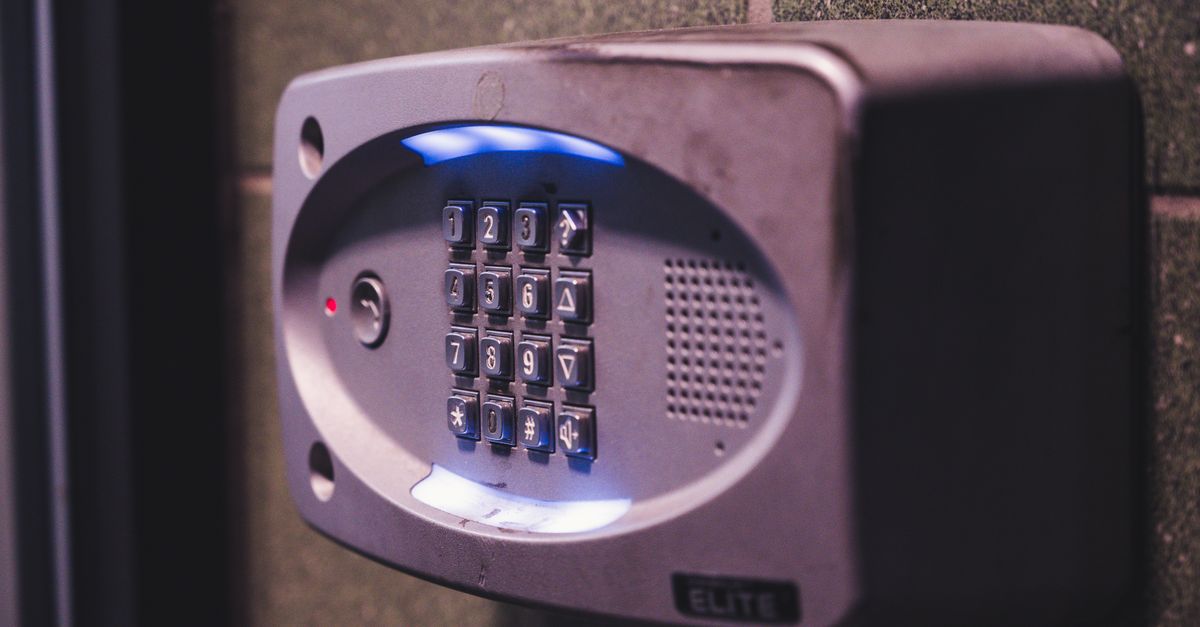
What is the average call-out fee for a locksmith in New York? Call-out fees — sometimes called a trip fee or dispatch fee — vary by company and distance. Some providers roll this into the total job price; others list it separately. At Purple Locksmith NYC, we're transparent about how our pricing is structured from the moment you call. How much does a local locksmith charge versus an emergency locksmith cost near me? The distinction usually comes down to timing and urgency. A planned rekey scheduled during business hours will reflect standard service conditions. A 3 a.m. lockout call the night you move in is a different scenario — and we're equipped for both. Call us at 929-531-6918 any time, day or night.
Frequently asked questions
Can you rekey any lock, or are some types not compatible with rekeying?+
Most pin-tumbler locks — including standard door knob locks, deadbolts, and mortise lock cylinders — can be rekeyed as long as the hardware is in good working condition and the correct replacement pin kit is available for that lock's keyway. High-security locks from brands like Medeco or Mul-T-Lock can also be rekeyed, but require brand-specific tools and pins not available at general hardware stores. Locks that cannot typically be rekeyed include wafer-tumbler locks (common in some older filing cabinets), certain disc-detainer locks, and fully electronic smart locks with no physical cylinder. Our locksmiths assess your specific hardware on-site and let you know exactly what's possible before any work begins.
How do I know if my NYC apartment has a mortise lock, and does it affect the rekey process?+
Look at the edge of your door where the latch and deadbolt meet the door frame. If you see a long rectangular faceplate — typically 7 to 8 inches tall — set into the door itself (not surface-mounted), you have a mortise lock. This is very common in pre-war and mid-century New York City buildings. Mortise locks contain the entire locking mechanism inside the door body, and rekeying requires removing the cylinder from the side of the lock case. The process is more involved than rekeying a standard knob lock but is entirely routine for an experienced locksmith. It does not require replacing the full lock body unless the mechanism itself is damaged.
My co-op building uses a master key system. Can I still rekey my apartment door?+
Yes, in most cases — but it requires coordination. A master key system means your lock cylinder is pinned to respond to both your individual key and a building-level master key held by management. Rekeying your cylinder without accounting for the master key setup will break the master key's function on your door, which may violate your proprietary lease and create problems during emergencies. The correct approach is to have a commercial locksmith rekey your cylinder within the same master key system, using the building's existing key bitting specifications. This preserves your new individual key while keeping the building master functional. We work with co-op management teams across NYC regularly and can coordinate this process properly.
Can you rekey a smart lock without the original key if I've just moved in and don't have it?+
If your smart lock has a physical backup key cylinder and you don't have the original key, a qualified locksmith can still service the cylinder — but the approach depends on the lock's condition and design. Without the original key, accessing the cylinder for rekeying requires bypassing the physical lock through professional means, which is why this is not a DIY task. For fully electronic smart locks with no cylinder, the 'rekey' equivalent is a factory reset that wipes all existing access codes and fingerprints, returning the lock to its default state so you can program new credentials. Either way, call 929-531-6918 and describe your lock model — our team can confirm the right approach before dispatching.